Let’s face it—kids don’t come with an instruction manual. But as parents, homeschoolers, and caregivers, we can help equip them with skills that last a lifetime. Whether you’re teaching toddlers to put on their shoes or teens to manage money, life skills give kids confidence, independence, and real-world readiness.
In this post, we’re covering 50 essential life skills, organized by age group, that every child should learn—many of which you can easily weave into your homeschool or daily routine.
Preschool & Early Elementary (Ages 3–6)
These early years are ideal for teaching basic life skills and manners through play and repetition. Preschoolers love to be involved in everything! They are curious, pleasing, and interested in the world.
Most of all, preschoolers want their parents’ attention. It is a great time to encourage them to learn new things, because they are such willing students!
It is easy to “just do it yourself,” or ask an older sibling to help, but three- to six-year-olds can do many things for themselves, and you can start the habit of preferring self-sufficiency.
I have a five-year-old daughter. Her chores are: cleaning her room and the playroom with her sister, getting eggs from our chickens each day, taking everyone’s shoes to the garage every evening (do you have a shoe pile in your house? Shoes seem to be everywhere here!), playing with her brother and checking on him when asked, and making her own snacks. She also helps in the garden and is learning to use the stovetop for simple foods like scrambled eggs and quesadillas.
Top Life Skills for Ages 3–6
Basic Personal Care Brushing Teeth – Learn to brush teeth properly with supervision. Washing Hands – Understand when and how to wash hands thoroughly. Getting Dressed – Practice putting on clothes, including buttons and zippers. Toileting Independence – Use the bathroom independently, including wiping and flushing. Feeding Themselves – Use utensils, pour drinks from small containers, and clean up after eating.
Home & Safety Skills Cleaning Up Toys – Learn to tidy up play areas. Helping Set the Table – Simple tasks like placing napkins and forks. Knowing Full Name and Address – Begin to memorize basic personal info. Following Safety Rules – Stop at driveways, listen to adults, and understand “stranger danger.” Recognizing Emergency Personnel – Identify police officers, firefighters, and how to get help.
Social and Emotional Skills Using Manners – Say please, thank you, excuse me. Taking Turns – Practice patience and sharing during play. Expressing Emotions with Words – Use words instead of hitting or yelling. Following Simple Directions – Listen and follow 2–3 step instructions. Introducing Themselves – Say their name and greet others politely.
Problem-Solving & Independence Making Simple Choices – Choose between two outfits or snacks. Trying Again After Failing – Practice resilience in games and activities. Recognizing Emotions in Others – Start developing empathy. Caring for Belongings – Put shoes away, hang up backpack. Basic Time Concepts – Understand morning vs. night, and daily routines.
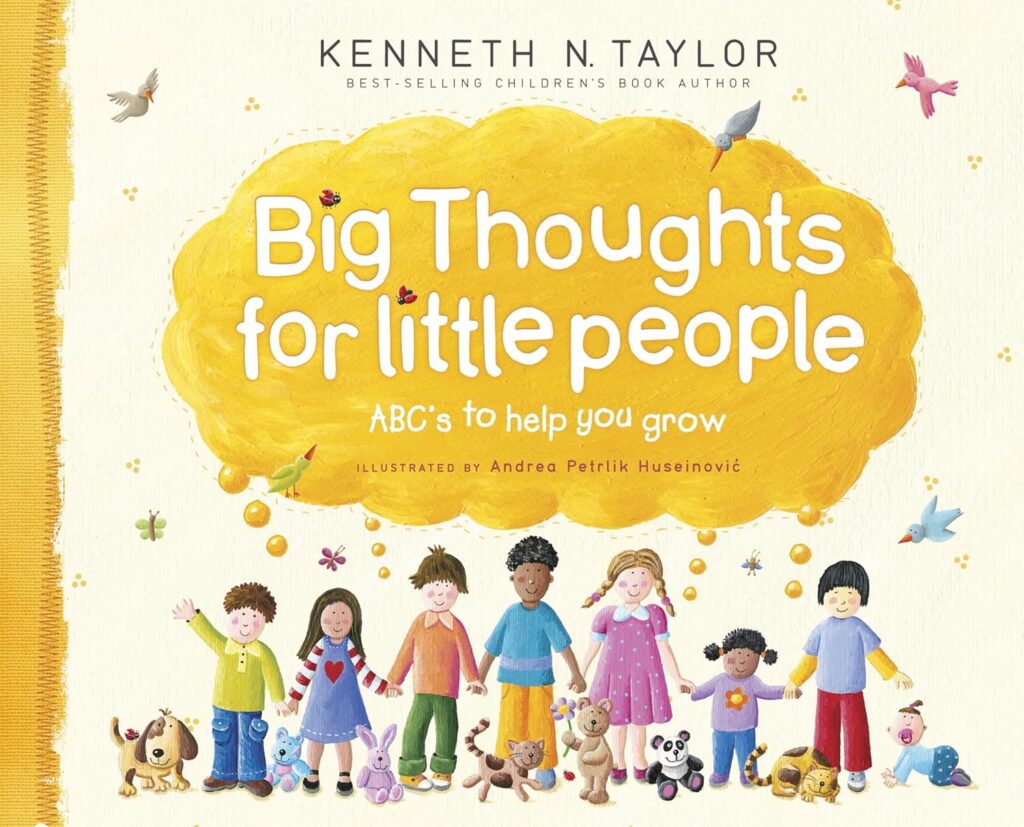
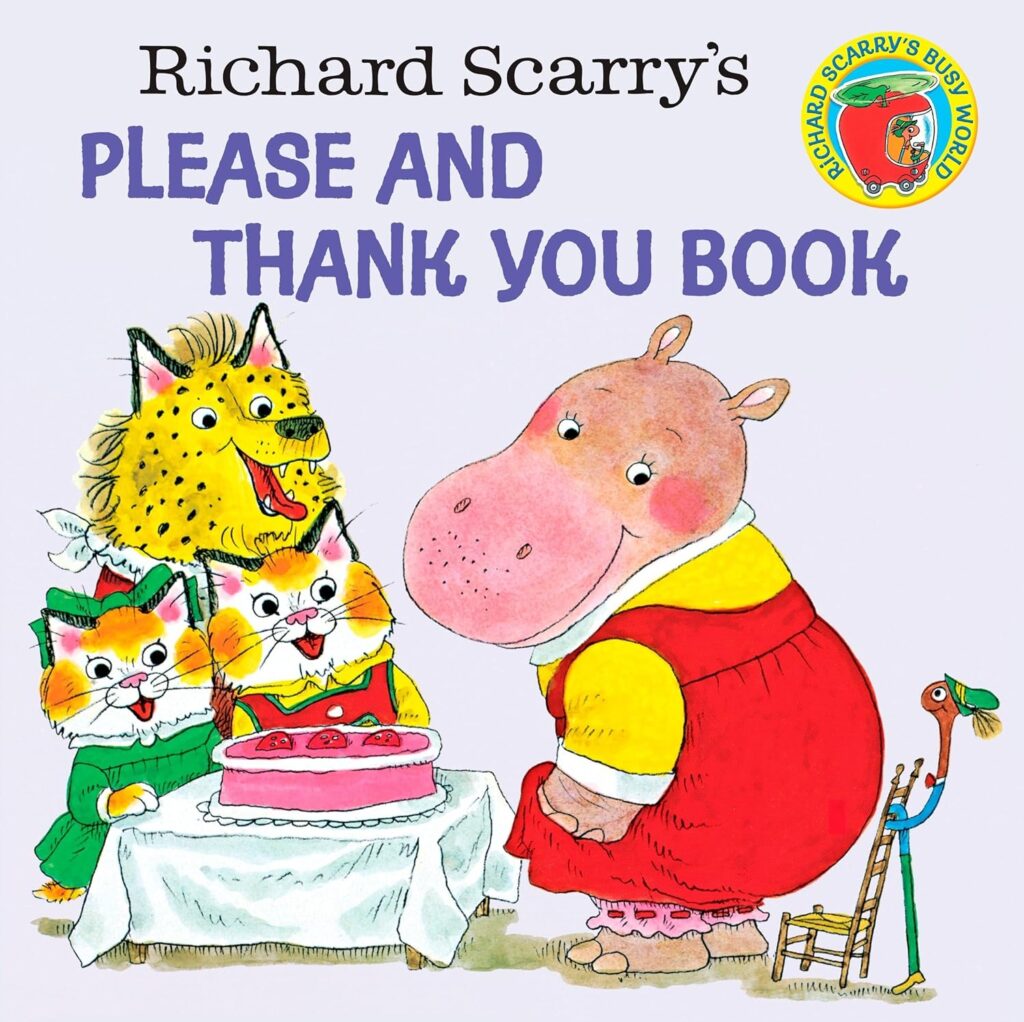
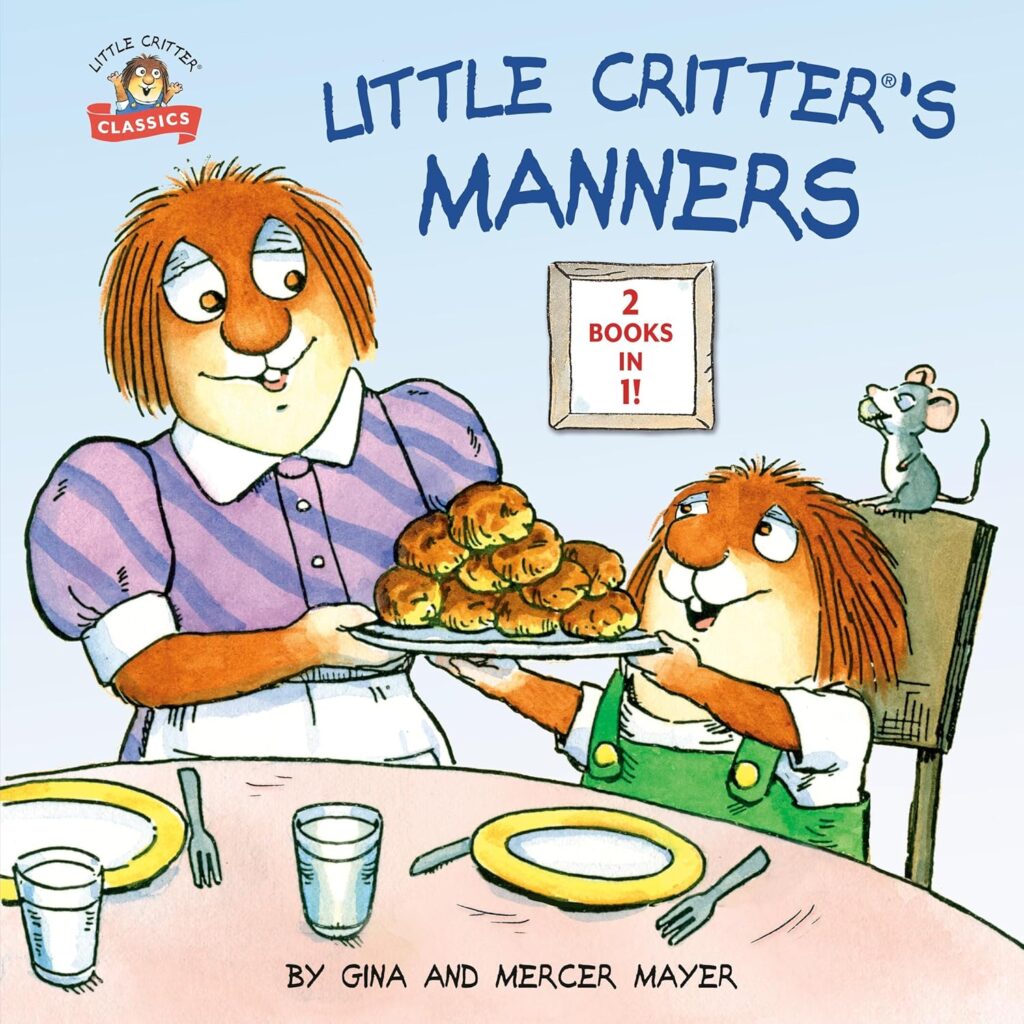
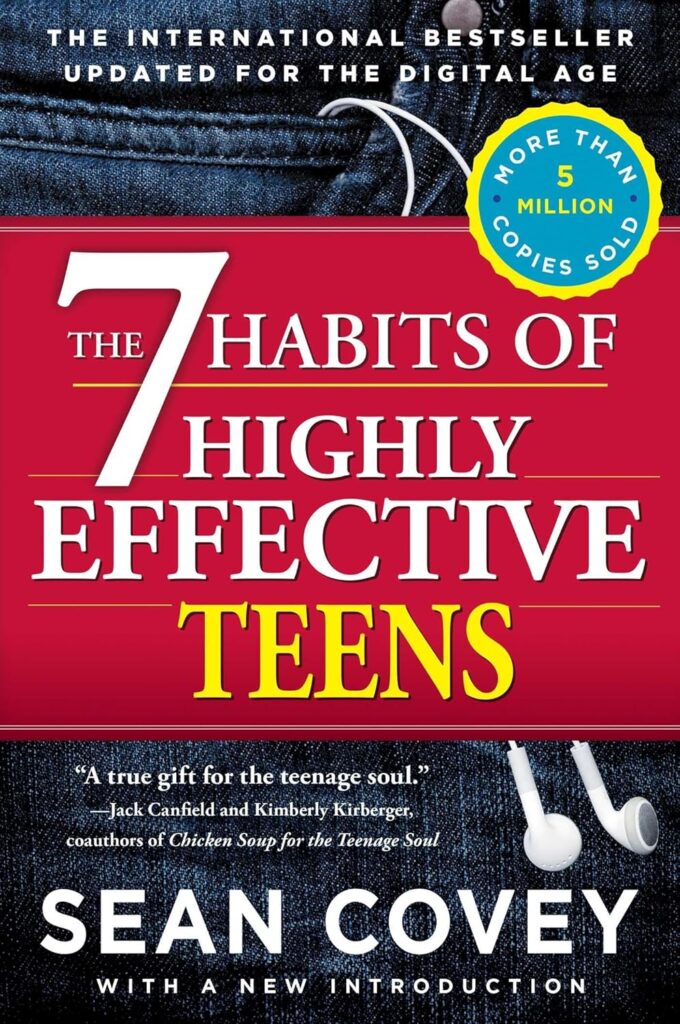
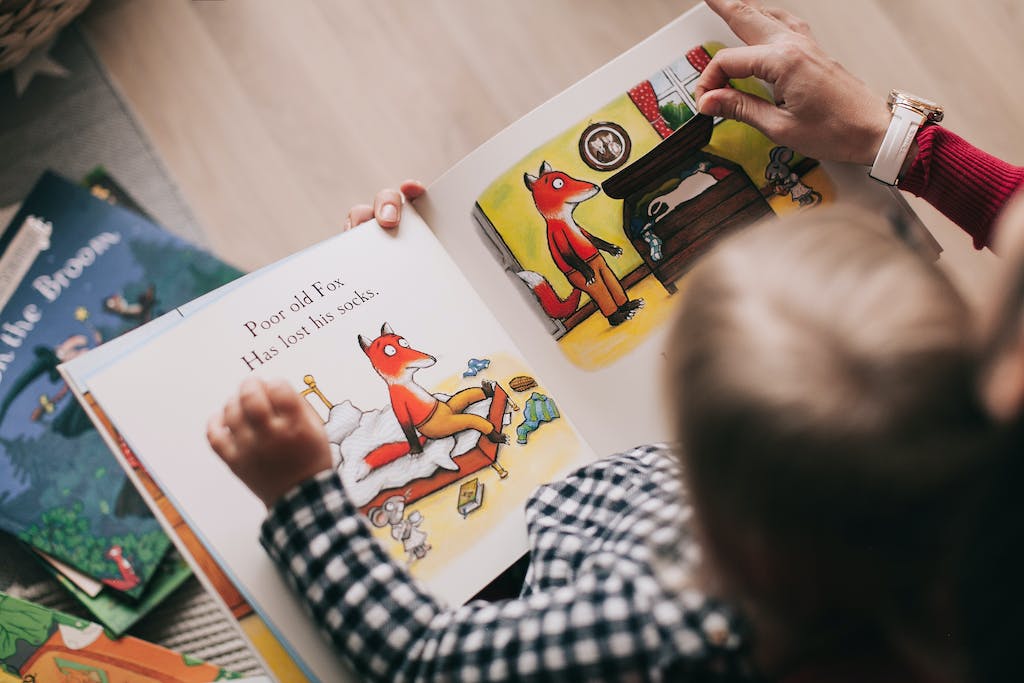
Life Skills and Manners Books for Kids Ages 3-6
Top Life Skills for Elementary Kids & Tweens (Ages 7–11)
At this stage, kids can handle multi-step tasks and are eager for independence. At my house, my children really start to contribute to the household work when they are seven years old.
I expect a seven-year-old to be able to clean their room, make breakfast and snacks for themselves, keep their clothes, shoes and schoolbooks organized, take a shower independently, get fully dressed, help with younger kids, buckle younger siblings into car seats, apologize if hurt feelings occur and overall keep a cheerful and helpful attitude.
My nine-year-old daughter can clean well and cooks alongside with me most evenings. She raises ducks and chickens and takes care of our dogs and cats too. She has dyslexia, so some of the items on this list would be too difficult, but when it comes to skilled labor, she is excellent.
My eleven-year-old son can do all of these top life skills, although he needs a lot of reminders to follow through with his responsibilities!
I believe that there is plenty of time for play, school and extra activities while contributing to the home needs.
Top Life Skills for Ages 7–11:
Personal Responsibility
Making Their Bed Daily – Develop a morning routine.
Personal Hygiene – Showering, using deodorant, brushing hair neatly.
Packing Their Own Lunch – Choose balanced items and pack them safely.
Doing Laundry Basics – Sort clothes, fold, and put them away.
Waking Up with an Alarm – Learn to get up and start their day on time.
Home & Kitchen Skills
Using the Microwave & Toaster – Warm up leftovers or make breakfast.
Making Simple Meals – Scrambled eggs, sandwiches, or smoothies.
Following a Recipe – Use measuring cups and follow step-by-step directions.
Washing Dishes – By hand and/or loading and unloading the dishwasher.
Cleaning a Bathroom – Wipe surfaces, clean toilet, empty trash.
Money & Time Management
Understanding Money – Coins, bills, making change.
Saving Money – Set goals and use a savings jar or bank account.
Budgeting Allowance – Divide into spend, save, and give categories.
Telling Time (Analog & Digital) – Read clocks and manage time.
Using a Planner or Calendar – Keep track of schoolwork or activities.
Social & Communication Skills
Introducing Themselves – Eye contact, handshake, and polite greetings.
Phone Etiquette – Answering politely, leaving a voicemail.
Writing Thank You Notes – Gratitude in writing.
Resolving Conflicts Respectfully – Talk it out, apologize, compromise.
Respecting Boundaries – Knock before entering, personal space.
Thinking & Problem-Solving
Following Multi-Step Instructions – Great for chores and schoolwork.
Reading Labels & Instructions – On food, games, or medication (with help).
Learning How to Research Safely Online – Use kid-safe sites to look things up.
Practicing Decision-Making – Choose clothing for the weather, plan weekend activities.
Basic First Aid – Treating cuts and scrapes, using a first aid kit.
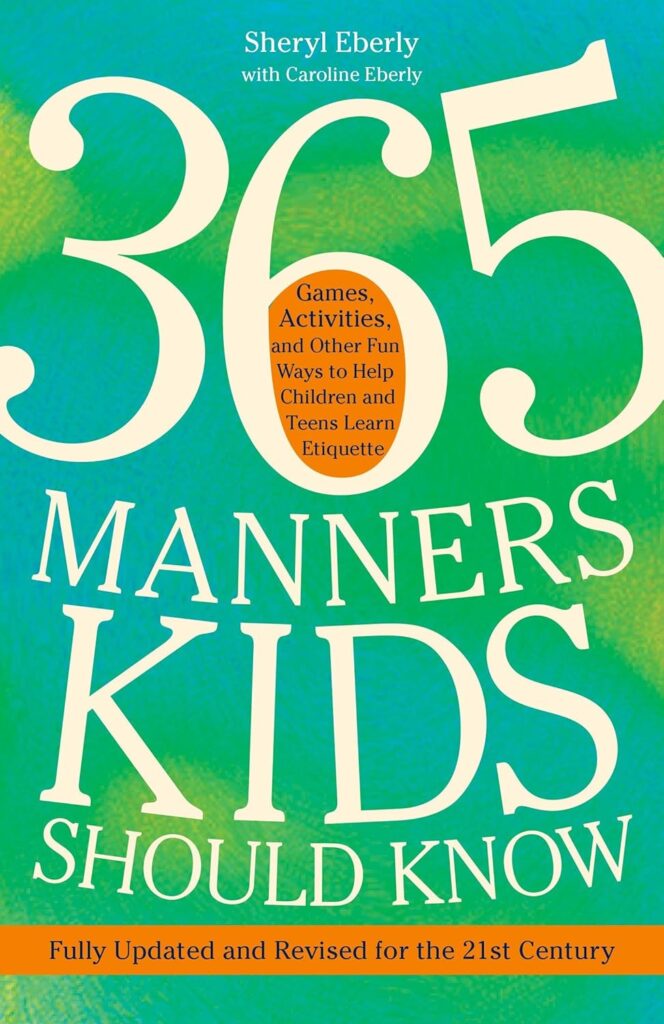
Life Skill Books and Games for Kids Ages 7-11
We use these resources during our homeschool morning time to discuss life skills and manners in a low-pressure way.
Top Life skills for Teens (Ages 12–18)
Teens should start mastering the life skills they’ll need in adulthood. It can be hard to trust our kids to do some of these things, but it is really important to start letting them act as adults.
If your teen cannot do the list items from the younger years, make sure that those also get mastered during their years at home with you.
I want my kids to be able to cook, clean, take care of a house and yard, take care of a baby and raise animals and a garden before their teen years.
Stacie Brown, Homeschool Hobbies
Teenagers often work during highschool years. Make sure they are prepared to meet their basic needs before they start working and spending long hours away from home.
With my three teenager sons, I have found that the more I trust them with, the more responsibility they take over their lives and habits. They ask questions when they need help but are comfortable and confident to make financial and other decisions. I try to be a “yes” mom with my teenagers and they have done little to make me want to take any privledges away.
Top Life Skills for Ages 12–18
Personal Responsibility & Growth
Time Management – Prioritize tasks, use calendars, meet deadlines.
Goal Setting – Set short- and long-term goals and track progress.
Decision-Making – Weigh pros and cons, consider consequences.
Stress Management – Use healthy coping tools like exercise, prayer, or journaling.
Self-Advocacy – Ask for help, speak up respectfully, know personal rights.
Home & Daily Living
Meal Planning & Cooking – Shop for groceries and cook full meals.
Cleaning & Organizing – Deep-cleaning, decluttering, and home upkeep.
Laundry from Start to Finish – Sort, wash, dry, fold, and put away.
Basic Home Repairs – Use tools, change light bulbs, fix minor issues.
Building a Resume – Highlighting experiences, skills, and goals.
I think this is another of the beautiful benefits of homeschooling. My children have long childhoods, full of simple days and play and learning and time with family. When they are ready for adulthood, it has been easy for them to slip into that next step of life.
Stacie Brown, Homeschool Hobbies
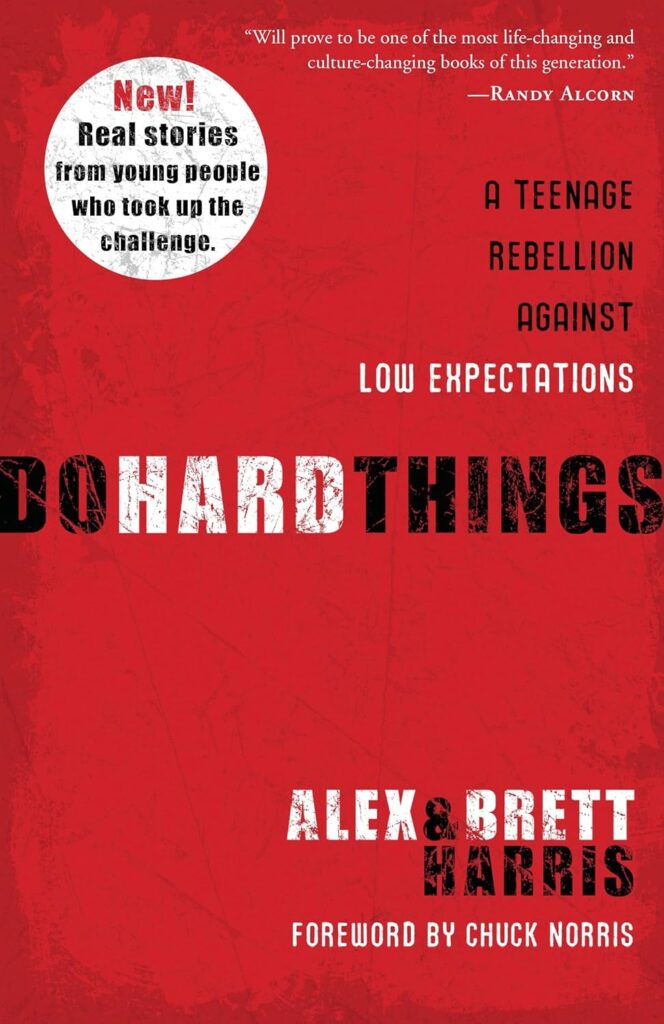
Life Skills Books for Teens (Great Gifts!)
Family Activity Ideas to Practice Life Skills
The best way to teach life skills to keep a good conversation going with your kids about expectations and responsibilities.
Even for our littlest kids, having clear instructions about chores and manners goes a long way in running a peaceful home where everyone contributes to the family work.
Reading a manners or lifeskills book together, or listening to a podcast or watching a Youtube show can open a lot of great conversations about lifeskills, and get kids and teens thinking about their futures and adulthood.
Don’t be afraid to ask your kids to do challanging things! Perhaps your teens can make dinner for the family once per week or tackle a big outdoor job for your family.
When my kids are learning specific chores and skills we don;t rotate chores. That person sticks with their responsibilities for several months before we juggle the chores around again. This helps that person really learn the skill and take great responsibility for it – whether it is helping with the laundry, cleaning our school room or taking care of our animals.
For a challenging list of life skills and help with structuring your homeschool goals, I love Charlotte Mason’s List of Attainments. It is truly a myth that our children are better educated or can do MORE in today’s modern world. Charlotte Mason’s list might be an inspiration to you! Find it here at AmblesideOnline.
Bonus Printable – Life Skills Checklist by Age
Want a handy version of this list to keep on your fridge or use in your homeschool planner?
Grab your free printable “Life Skills by Age” checklist:
“Life skills are the bridge between childhood and confident adulthood.” — Homeschool Hobbies
As early as age 2–3! Start with simple tasks like putting toys away or helping set the table.
How can I make life skills part of our homeschool and family life?
Integrate skills into your routine—cooking becomes math and reading, cleaning becomes a lesson in responsibility, and budgeting becomes practical math. No curriculum is required, but a chore chart is helpful!
What’s the best way to keep track of what they’ve learned?
Use a checklist, reward chart, or journal to track their progress and celebrate milestones. Or just enjoy happy and helpful children who know how to get things done!
What’s Next?
Found this list helpful? Share it with a fellow homeschool parent, pin it for later, or drop a comment below with life skills your kids are learning right now!
🔄 Don’t forget to download your printable checklist and follow us on Pinterest for more family-ready resources!
Spread the loveHow to teach reading in homeschool is a question that I ponder almost every year. I have been homeschooling for 11 years and am teaching my 5th and 6th children to read this year. Teaching reading in homeschool has been a journey full of triumphs, struggles, and invaluable lessons. My Personal Journey with…
Spread the loveAs I write this, the temperatures are below zero. My family is struggling to care for our menagerie of farm animals and pets, start the new school term off with gusto, and stoke the wood burning fireplace that can’t quite keep up with this weather. Even though I am wearing three layers of…
Spread the loveFall is the perfect season to get cozy in the kitchen, and what better way to do that than with some simple, nutritious, and clean kid-friendly fall recipes? Clean eating focuses on whole, unprocessed foods, making it a great way to introduce children to healthy cooking. Studies have shown that kids who are…
Spread the loveDyslexia is one of the most common learning differences, affecting approximately 1 in 5 children. Luckily, it is easy to test for dyslexia at home. It primarily impacts reading, spelling, and language processing, but early identification can make a significant difference in a child’s academic journey. While a formal diagnosis should come from…
Spread the loveSide Hustles for Teens: 16 Opportunities to Earn Money and Build Skills Side hustles for teens can be a great way to earn extra money, gain valuable skills, and develop a strong work ethic. Below are 16 different side hustle opportunities for teens that are perfect for homeschoolers and entrepreneurial-minded youth. Why Teens…
Spread the loveOur homeschool books are put away and I am shifting back into summer mom mode. As I plan our summer calendar, I have been thinking about my own childhood. My 2025 Summer Bucket list includes many of my favorite summer memories. Our old-fashioned summer is underway! An old-fashioned summer is good for kids….