Tips for Homeschool Success: 26 Proven Strategies
Homeschooling is an incredible journey, offering the unique opportunity to tailor education to your child’s individual needs. However, homeschool success doesn’t happen by chance. It takes intentionality, preparation, and a lot of love.
Here are 26 practical and proven ways to ensure your homeschool thrives:
1. Create a Schedule

Children thrive on routine. A consistent daily schedule provides structure and helps everyone know what to expect. This doesn’t mean every moment needs to be rigidly planned, but having a general framework keeps your day on track—a key factor in homeschool success.
One of the most important lessons that I have learned in the past 12 years of homeschool is that everything depends on one thing: mom showing up. If I want my kids to learn, thrive and feel good about our family and their education, I have to get up with a schedule for the day and execute it well.
I use these planners to help my children with their independent work, they help keep us all on track!
If you would like to read more about my homeschooling schedule, click here.
An Easy Large Family Homeschool Schedule: 10 Tips to a Great Day
2. Be Organized (not negotiable)
An organized homeschool space helps reduce stress and fosters productivity. Use labeled bins, shelves, and planners to keep books, supplies, and lesson plans in order. Organization contributes directly to homeschool success by keeping things in their places and reducing the time required to locate lost items.
In my house, every student has their own shelf to keep their school books, notebooks and other supplies. I am very particular about all books and supplies being returned to their proper places at the end of their school day.
3. Set Goals for Your Homeschool and Each Child
Establish clear, achievable goals for your homeschool year. These can be academic, personal, or skill-based. Having goals gives you direction and a sense of accomplishment, which are vital for homeschool success.
I review my goals for each of my kids at the beginning of the year and over Christmas break. It is easy to get bogged down in the busy work, but it is always important to remember “the why” of homeschooling our children. I am never afraid to switch curriculums or books if we are not enjoying or learning material well.
If you need help with planning and goals, I can help you here!
Homeschool Planning: 4 Important Reasons to Start NOW
4. Attend Church and Worship as a Family
Living our faith together is priority #1 in our homeschool and I try hard to put God first in our lives. Attending church together is important for many reasons.
First of all, a church community is important! This is where we can find like-minded friends and family, where we can grow in our faith, and where we can serve others in ministry and in acts of service.
Attending church is also important because it forces homeschoolers to get dressed and out of the house at least one day a week. It can be easy to stay in the slow-paced mornings that homeschooling allows, but it really is an important life skill to get up and be somewhere on time at least once a week.
We are a Catholic Christian family and I teach the faith to my kids every day. We read the bible, study the catechism, learn about the saints and pray as a family. We have discussions about hard faith topics and try to live a good Christian life by loving each other and our neighbors, receiving and sacraments and act as a good witness to the Christian faith.
5. Read Aloud Together Everyday
Reading aloud isn’t just for little ones. It fosters a love for literature, strengthens vocabulary, and creates special bonding moments. Choose books that align with your educational goals or simply enjoy classics as a family.
I read with my children every day, even my teenagers! I really think that our read aloud times are the best part of homeschooling my children. Here is a page with of some of our favorite read alouds.
Our current read aloud is the last book in Ralph Moody’s Little Britches series. These have been a favorite with every homeschooling family I know. Give it a try, especially if you have sons!

6. Prioritize Socialization
Plan regular social outings, co-op classes, or playdates. Joining homeschool groups or participating in community activities ensures your children develop strong social skills.
Staying home to homeschool is lovely, but it is also important to get out of the house, be with friends and find a good community to be a part of. This is important for both kids and moms. Today, there are so many activities, clubs and groups for homeschoolers!
7. Allow for Flexibility in Homeschooling
While structure is important, homeschooling’s greatest advantage is its flexibility. Don’t be afraid to adjust your plans if something isn’t working or if an unexpected learning opportunity arises. Flexibility often paves the way for homeschool success.
Most of our homeschooling days are smooth, but every once in a while, everyone is crabby and distracted. My mama intuition tells me that noone is learning anything on those days!
Every once in a while, surprise your kids by cancelling school and telling everyone to play outside for the rest of the day.
8. Take Time for Self-Care
Homeschooling can be exhausting. It is a lot to educated and care for children, while keeping patience and temper, in addition to taking care of your home.
Make self-care a priority by carving out time for activities that rejuvenate you, whether it’s reading, exercising, or spending time with friends. Hobbies are important for moms too! My hobbies include gardening, reading, sewing, cooking, and of course – writing this blog.
If you are wanting to try some new hobbies this year, try Hobbies for Homeschoolers: New Year Resolutions
9. Have a Food Plan
Dinner can feel overwhelming after a long homeschool day. Meal planning or prepping over the weekend saves time and stress. Consider quick, healthy recipes to keep things simple.
One way that I stay motivated to cook is to buy or borrow new cookbooks. This helps me to find new recipes that I actually want to try. I have also taught my kids how to cook, so they can chip in when I am busy.
Are you ready to teach your kids to cook? Basic Culinary Skills- 10 Cooking Lessons for Kids
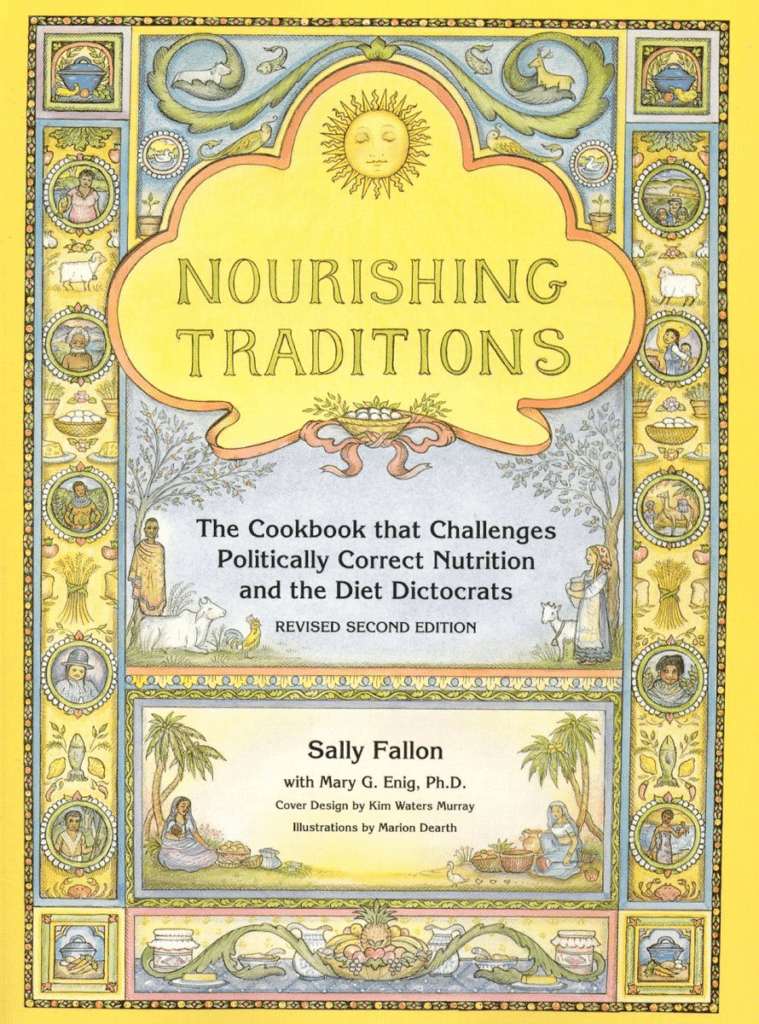
The cookbook I am currently working through is Nourishing Traditions, by Sally Fallon. It is very interesting and I have been enjoying the recipes.
10. Love On Your Kids Every Day
Above all, remember that your children are the reason you’re homeschooling. Show them love and patience. Building a strong relationship with your kids is more important than checking every box on your curriculum. A loving environment is crucial for homeschool success.
I make a point to smile at my kids often, hug them when I am frustrated and try to give them more compliments than criticism. These easy affirmations go a long way!
11. Incorporate Hands-On Projects
Engage your children with fun, interactive projects. Whether it’s building a model volcano or crafting historical costumes, hands-on learning makes lessons memorable.
Following the rabbit trails in homeschooling is what makes it fun! Drop the worksheets and build or create something to illustrate learning. This is how memories are made!
One of our favorite curricula that has a lot of hands-on activities throughout the lessons is Beautiful Feet History. We have done Early American, Ancients, and Middle Ages. My kids have really enjoyed the literature, discussions and projects with this curriculum. It is great for family style learning.

12. Use a Variety of Teaching Methods
Every child learns differently. Incorporate visual aids, auditory lessons, and kinesthetic activities to cater to various learning styles and keep things exciting.
I have realized that I am a visual learner, and my kids are auditory and hands-on. With all of the homeschool resources available today, it is easier than ever to adjust teaching to accommodate all types of learning.
13. Encourage Independence and Self Learning
Teach your kids to take responsibility for their learning by giving them age-appropriate tasks. Older students can manage assignments or research topics independently, building confidence and autonomy—a key aspect of homeschool success.
Once my kids can read independently (2nd-3rd grade), I really try to encourage independence and self-learning. I tell them constantly, “do what you must, then you can do what you wish.” It’s not an instant achievement, but something to strive to during their learning years.
14. Stay Connected with Other Homeschoolers
Being part of a homeschooling community provides encouragement and support. It’s a great place to exchange ideas, share struggles, and celebrate victories.
I really encourage you to put a lot of effort into finding a good community (or several of them) to fortify you and your children on your homeschooling journey. Humans are made for community.
15. Spend Time in Nature Every Day
Field trips to parks, nature reserves, or your own backyard are excellent ways to learn science and appreciate the world. Nature study fosters curiosity and a sense of wonder.
Our family lives in the country and we love nature! My kids spend an average of 4-6 hours a day outdoors and thrive in health, coordination, critical thinking, and awareness of their surroundings. Making outdoor time a priority will help your homeschool in many, many ways.
Outdoor time is not just for boys! This is my post on outdoor activities for girls.
Nature Play for Girls: 14 New Ideas for a Beautiful Girlhood
16. Incorporate Life Skills Through Homeschool Hobbies
Homeschooling allows you to teach skills like cooking, budgeting, and time management alongside academics. These practical lessons prepare kids for real-life challenges.
Choosing hobbies that incorporate lifeskills are key! Some of my favorite hobbies my kids have are: cooking, sewing, woodworking, hunting, gardening, welding, raising animals like rabbits and chickens, survival skills, knife making, small engine repair, and starting small businesses.
Besides hobbies, make sure you teach hygiene, how to clean a house, take care of yard, shovel snow, talk to adults, answer the phone, basic first aid and what to do in an emergency.
17. Use Online Resources for Homeschool Success
Leverage the wealth of free and paid resources available online. From virtual field trips to interactive math games, technology can enrich your homeschool experience.
Artificial intelligence is also making homeschooling easier, more personalized, and saving homeschool families time and money. Check out my post on how we are using AI in our homeschool.

18. Celebrate Small Wins
Every achievement, no matter how small, deserves recognition. Celebrating milestones keeps everyone motivated and reminds you how far you’ve come—a motivational boost for homeschool success.
“The days are long, but the years are short.”
Every year that we homeschool, my children learn in a low stress environment, they play together and make memories, they learn important life skills and have time to pursue their own hobbies and interests and we are generally a happy family. That’s an accomplishment to celebrate!
19. Take Breaks for Homeschool Success
Burnout is real for both parents and kids. Incorporate regular breaks into your day to recharge. Short walks, snacks, or simple downtime can make a big difference.
Some years we have adopted a “Sabbath Schedule.” This is when we do 6 weeks of school followed by 1 week off. I really love this schedule of homeschooling, you should try it if you are feeling overwhelmed or exhausted.
20. Tailor Curriculum to Each Child
One size doesn’t fit all. Tailor your curriculum to meet your child’s interests and learning pace. This keeps lessons relevant and engaging.
I use “>Memoria Press for a lot of my homeschool. There have been many years when I have used the whole grade level packages for each of my kids. I love the planners Memoria Press provides, the curricula and the book lists.
Even when we are using a set curriculum like “>Memoria Press, I can still tailor the curriculum to each of my children. Curricula should always be used as a tool, not a tyrant.

21. Self Education is the Best Education
Cultivate curiosity by encouraging questions and exploring topics your kids are passionate about. A love for learning will last far beyond their homeschool years and is at the heart of homeschool success.
Charlotte Mason once said, “Self-education is the best education.” I believe with my whole heart that this is true. I put a lot of emphasis on my kids pursuing their own passions and dreams and plans, and I trust them to learn what they need to know.
My kids learn through books, their communities, from grandparents, from YouTube, from ChatGPT, and through a lot of hard work! I encourage you to ask your children what they want to know about in the world and help them find the resources to explore their passions.
22. Moms Don’t Get to Be Grumpy
I realized early in my motherhood days: moms don’t get to be grumpy. Kids get to be grumpy. Husbands get to be grumpy. But if mom is grumpy then the whole household falls apart.
Your mood sets the tone for the day. Approach challenges with optimism and model resilience for your children.
23. Keep Records
Depending on where you live, Documenting progress is essential for meeting legal requirements. Use planners, journals, or apps to stay organized.
In my state, this becomes important in highschool when I need to create transcripts for college applications or graduation. My trusty planners help me remember all that my child has accomplished in a year!
24. Keep Family Traditions
Creating and maintaining family traditions fosters a sense of belonging and stability. Some easy family traditions in my family:
- Taking back to school photos
- Halloween trick or treating with cousins
- Celebrating St. Nicholas Day
- Roller Skating on Valentine’s Day
- Going to the lake in the summer
Family traditions can be very simple but they are really important to children.
25. Reflect and Adjust
At the end of each term, take time to evaluate what’s working and what isn’t. Adjust your plans accordingly to improve your homeschool experience.
If you need help with this, check out my resources here: Homeschool Planning: 4 Important Reasons to Start NOW
26. Embrace Hobbies
Encouraging hobbies helps children explore their passions and develop new skills. Whether it’s painting, playing an instrument, coding, or gardening, hobbies enrich their education and foster creativity. They also provide a healthy outlet for stress and promote well-rounded development.
Here is a list of some of my favorite homeschool hobbies: Unique Hobbies for Homeschoolers- 14 Super Ideas

Homeschooling is as rewarding as it is challenging. By incorporating these 26 tips, you’ll create a nurturing and dynamic learning environment where your children can flourish. Remember, homeschool success doesn’t mean perfection—it’s about growing together as a family while fostering a love for learning.