A Winter Nature Study Guide: Finding Beauty in the Cold
It’s a new year and it’s time to make those New Year’s Resolutions. What are you going to do differently for your health and for your family this year?
If getting outside is on the list, you have come to the right place! The cold season is a wonderful time to start the habit and hobby of winter nature study with your family.
The statistics are scary when it comes to people spending less and less time outdoors. Do we really want to be an inside generation, just consuming media and breathing in recycled air?
#This post contains affiliate links.
Why We Need to Go Outside
Consider these reasons for taking you and your family outside:
Children aged five to 16 spend an average of six and a half hours a day in front of a screen compared with around three hours in 1995, according to market research firm Childwise.
A report released by the University of Michigan’s Institute for Social Research found that the average child in America between the ages of six and 17 spends just seven minutes a day in unstructured outdoor play.
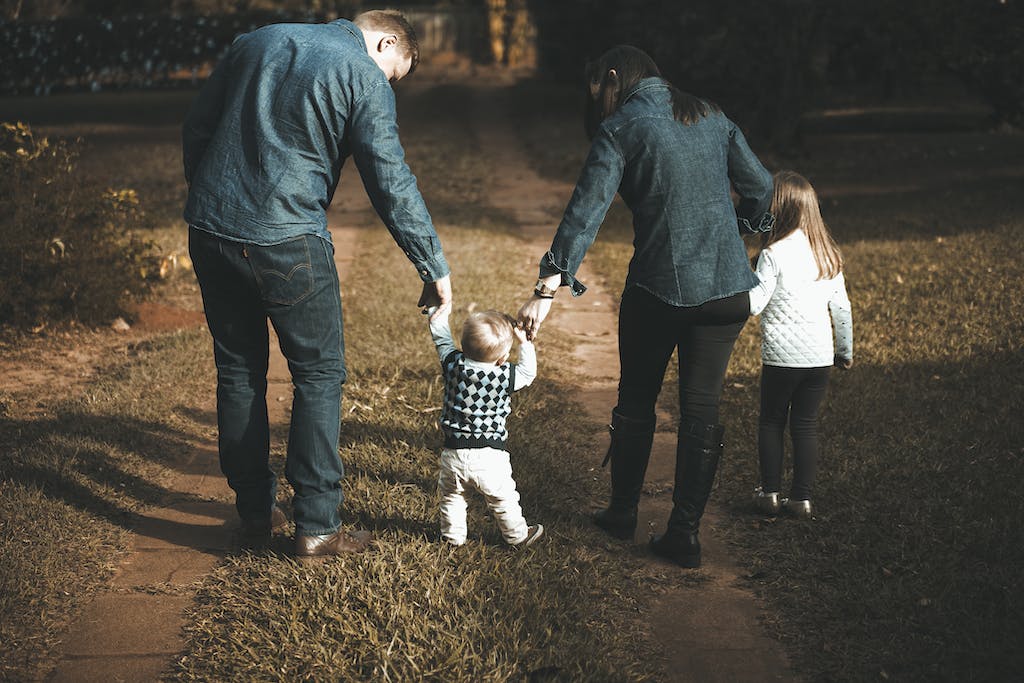
I know that you don’t want YOUR children to be grouped in that category. We are intentional, homeschool moms! We want our kids to roam the countryside, soak in the sunshine, bear the frosty weather, climb the trees and build the forts.
If you still need outdoor motivation, 1000 Hours Outside is a wonderful book that has actually become a huge movement in getting families to intentionally plan outside time. I am a member of their Facebook group and it is inspiring!

Resouces for A Winter Nature Study in Your Homeschool
Some of my family’s favorite ways of getting outdoors include bird and star watching, snow play and tree study! I also like to introduce my kids to classic poems and art pieces depicting the realities and wonders of a new season.
I hope your family can use these fun ideas to create a beautiful and memorable winter study for your homeschool.
Winter Nature Study: Bird Watching
Do you know which birds stay in your area throughout the winter? In my area, we see robins, blue jays and woodpeckers in the winter. They are fun to observe since the trees and bushes are bare.
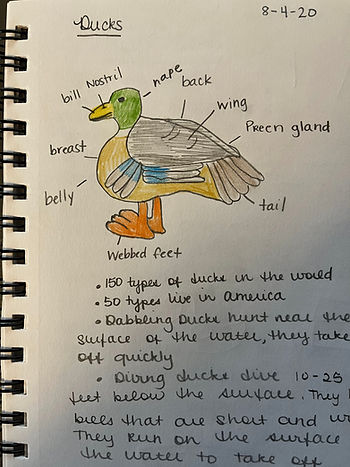
Identify the winter birds in your area and learn how they adapt to colder temperatures. Try to sketch the birds in your nature journal and write a few facts about each of them.
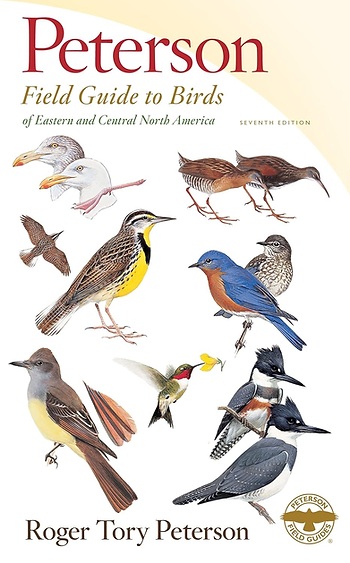
It is handy to have a bird field guide for your area as you begin your bird study. Here is one that my family likes.
Have you seen these bird feeders? If you really want to see birds up close, this would be amazing! Just this morning my daughter and I were trying to see the birds in our backyard but we couldn’t find any binoculars. I have had this in my Amazon cart for a couple of years, maybe this year I should get it.

This week my daughter made a popcorn bird feeder by stringing popcorn with a needle and thread and hanging it in a tree. It only took a few hours for the birds to find it and eat it all up!
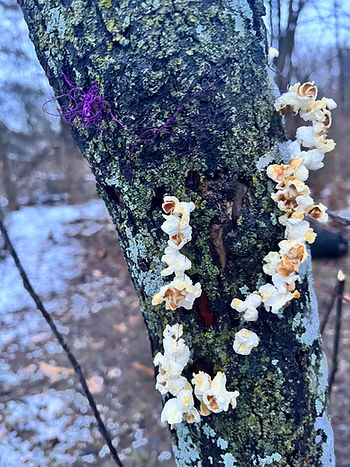
Popcorn in a tree- a great bird feeder!
Winter Nature Study: Snowflake Science
We have a rule in our house about snow: Don’t ever miss an opportunity to play in it!
Freshly fallen snow makes everything magical and beautiful. We only get a few good snows each winter, I want my children to have a lot of memories playing outside in the snow.
While you’re out there, learn about snowflakes. Kids are still fascinated by the fact that no two snowflakes are the same, just like we were when we were kids!
Catch the snowflakes on dark fabric or paper and use a magnifying glass to observe the intricate patterns.
In your nature journals, draw snowflakes! Then make some snowflake garland to hang around your schoolroom.
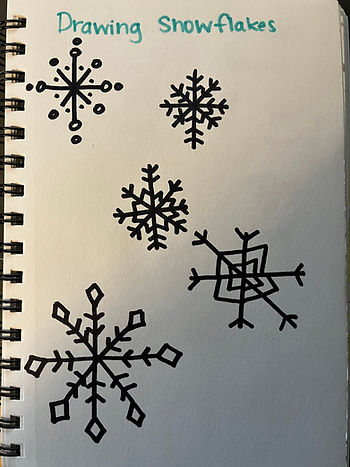
A great picture book on the study of snowflakes is Snowflake Bentley, a man who spent his life photographing and studying snowflakes.
Animal Tracks in Snow
Look for tracks in the snow (or mud) and challenge kids to identify which animals left them.
Find a snowy or muddy field, trail or any natural water source and try to identify muskrat, raccoon, coyote and deer tracks. You might also find tracks of ducks, turkeys and other birds.

Animal Tracks in Nature Journal
This can lead to discussions about hibernation, how animals find food in the winter, what animals are around us that we rarely see. Kids are fascinated by animals and their habits!
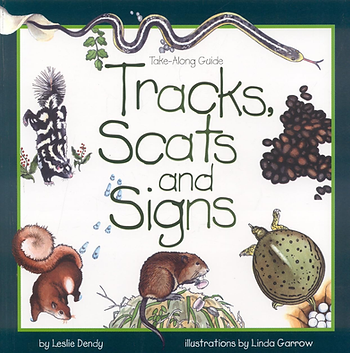
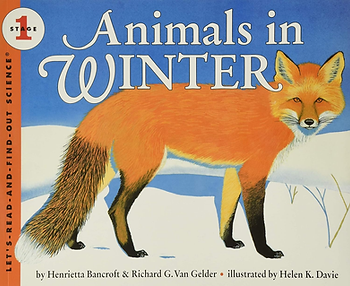
Here are a couple of books and resources that your family might enjoy.
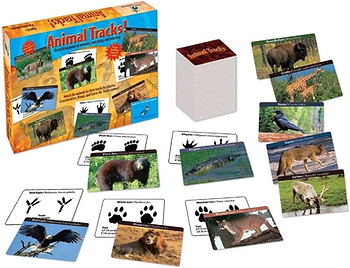
The Young Scientists Club Animal Tracks Game
Winter Constellations
We do a lot more stargazing as a family in the winter, because my kids are usually asleep before the stars come out in the summer.
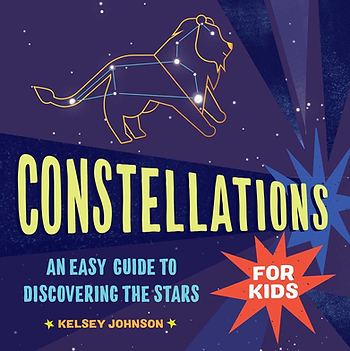
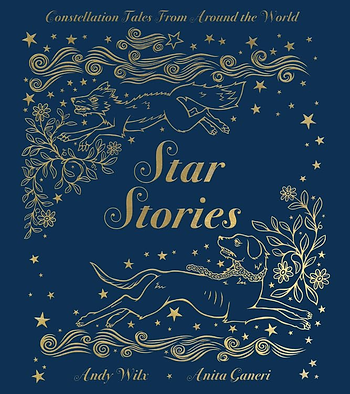
Show your children the winter constellations of Canis Major and Canis Minor, Orion and Taurus. Point out the brightest winter stars, Sirius, Procyon and Betelgeuse. Learn the Latin meanings of these stars and constellations and the stories behind them.
The perfect winter story time can be taken from these Astrology lessons.
For a fun stargazing app, I like one called Sky Guide.
I also like to have these books on hand, for stories and night sky identification.
Winter Nature Study: Ice Sculptures
In the winter, mudpies are probably out, but ice sculptures are in! Take a nature walk and collect winter materials like berries, pinecones, and twigs. Freeze them with water in containers and by leaving them outside.
Ice sculptures are a really interesting form of art. You might check out this YouTube video about some other beautiful ice sculptures to inspire and wow your children. These are really amazing!
Winter Nature Study: Trees
At the beginning of the year, each of my children “pick a tree” on our property. As the seasons change, they study the same tree and really learn about the bark, leaves, seeds, animals that live in it.
Studying a tree for a whole year will teach you a lot about trees! My children nature journal about their tree every couple of months to note its changes.
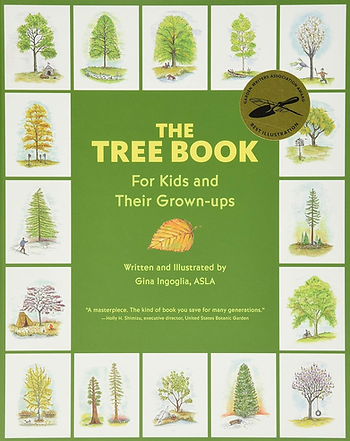
My favorite book about trees is this one.
Indoor Plant Investigation
Through Exploring Nature with Children, (an amazing nature curriculum) my daughters did a Christmas plant study in December. They loved learning about poinsettias, Christmas cactuses, Christmas roses, and other traditional Christmas plants.
While the weather is cold, learning about house plants is a timely study. Discuss common house plants, their care, growth patterns, and how they contribute to indoor air quality.
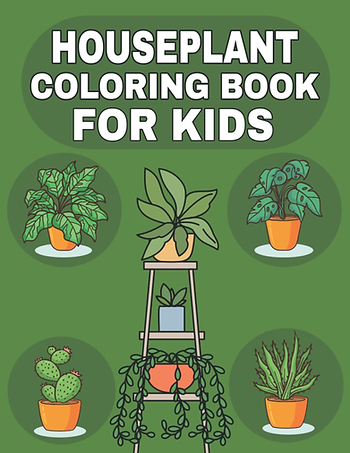
I love these inexpensive little coloring books for my kids to study when we are doing nature study. Here is a cute one for indoor plants.
A Winter Nature Study Poem
Before you embark on your winter nature study, here is a classic art piece and a poem to encourage your frosty adventures.
Robert Louis Stevenson writes the best children’s poetry. I love this one, titled Winter-Time.

Study Classic Winter Nature
Pieter Brugal is one of my favorite artists to study with my children. He has interesting paintings that my whole family enjoys. It reminds me of “Where’s Waldo?” because you can investigate the paintings and find people doing interesting things.
This winter, try examining “Winter Landscape with a Bird Trap” by Pieter Bruegel the Elder. It was painted in 1565.

I hope that you use this winter to make memories with your children, even if they are chilly ones! Encouraging outdoor activities in winter contributes to a holistic approach to well-being, and it is also a lot of fun!
For more nature study ideas, Homeschool Hobbies is full of nature study ideas. Read my other nature inspired posts: Nature Play for Girls: 14 New Ideas
Raising Strong Daughters: 7 Benefits of Nature Play for Girls
October Family Activities: 10 Unique Nature Experiences