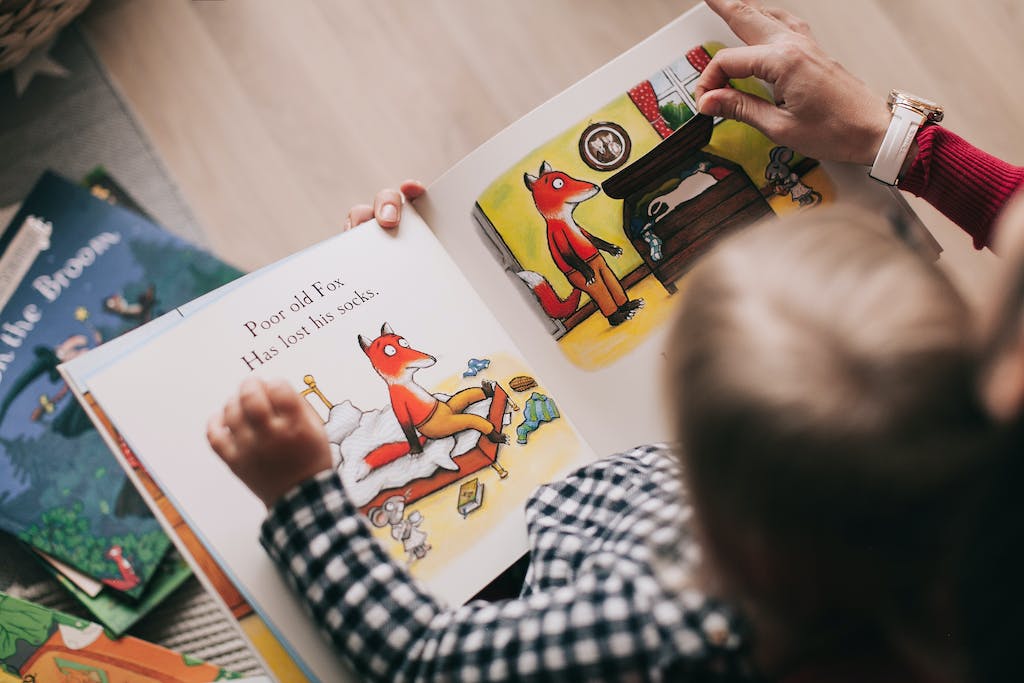
How to Test for Dyslexia at Home: Help for Struggling Readers
Dyslexia is one of the most common learning differences, affecting approximately 1 in 5 children. Luckily, it is easy to test for dyslexia at home.
It primarily impacts reading, spelling, and language processing, but early identification can make a significant difference in a child’s academic journey.

While a formal diagnosis should come from a specialist, parents can use a simple screening test at home to determine if their child shows common signs of dyslexia.
If your child struggles with multiple areas in this test, you are not alone and there is help available!
You can continue to teach your child reading at home, or you can seek help from a specialist – there is a solution for every budget and family situation.
Test for Dyslexia at Home
Follow these steps to test for dyslexia at home. You can also visit How and When to Get Tested for Dyslexia | Profound Dyslexia for more help determining if your child has dyslexia and if a formal test is needed.
Letter and Word Recognition
One of the first indicators of dyslexia is difficulty recognizing letters and common words.
To test this at home, ask your child to recite the alphabet.
Do they skip letters or mix up the order? This may indicate difficulties with letter sequencing.
Next, show them a list of simple sight words such as was, what, said, they, the, a, an, then, there, etc.
If they hesitate, guess, or struggle to recognize these words despite previous exposure on a regular basis over the course of several months, this could suggest a difficulty in word recognition and memorization, which is a sign of dyslexia.
Phonemic Awareness (Sound Manipulation)
Phonemic awareness, or the ability to hear and manipulate sounds in words, is a critical skill for early reading.
You can assess your child’s phonemic awareness by giving them simple sound-based tasks.
Say a word like cat and ask them to change the first sound (c) to a different letter, such as b (making the word bat).
Repeat with other words, like changing the letter g in goat to a c (coat), and changing the letter r in red to a b (bed).
If they struggle with this, it may indicate difficulty processing phonemes.
Another useful test is asking them to say a word like dog without the d sound (which should leave og). Or book without the b sound (“ook”).
If these exercises are particularly difficult, it may be a sign of dyslexia.
Reading and Spelling Challenges
Children with dyslexia often struggle with decoding words and spelling.
Give your child a short, age-appropriate passage to read aloud.
- Are they guessing words based on the first letter instead of sounding them out?
- Do they frequently skip or exchange small words like the, or, and?
- Do they mix up b and d, most of the time?
These are common signs of dyslexic reading struggles.
In spelling, they may reverse letters (writing b instead of d), transpose letters within a word (saw instead of was), or struggle to spell phonetically.
Persistent spelling errors, even with common words, can be a red flag.
Memory and Processing Speed
Dyslexia often affects working memory and the ability to process information quickly.
To assess this, say a short sequence of numbers (such as “4-7-2”) and ask your child to repeat them back in order.
If they struggle consistently, it may indicate memory processing issues.
Another simple test is to give them a set of three instructions, such as “Touch your nose, clap your hands, and jump.”
If they find it difficult to recall all steps in order, it could be a sign of working memory challenges related to dyslexia.
What to After the Test for Dyslexia
If your child shows multiple signs across these categories, consider seeking an evaluation from a professional, such as an educational psychologist, reading specialist, or dyslexia tutor.
You can also read my posts on helping my child to read in a homeschool setting. It is possible to teach a dyslexic child to read at home!
How to Teach Reading in Homeschool: Best Resources
How to Help a Struggling Reader: Best Tips for Homeschoolers
A Growth Mindset: 7 Ways to Help a Late Reader
Early intervention can provide the necessary tools and strategies to help your child thrive. Programs like Orton-Gillingham-based reading instruction, multisensory learning techniques, and assistive technology can be game-changers for children with dyslexia.
How to Support Dyslexia in Homeschool
In the meantime, support your child at home by using audiobooks, reading together, and practicing phonemic awareness exercises.
Homeschooling parents, in particular, have the flexibility to incorporate dyslexia-friendly methods into daily lessons, making reading a less stressful experience.
With the right support and understanding, children with dyslexia can become confident, capable readers.