Starting a Homeschool Garden this Spring: 7 Tips to Beautiful Bounty
Do you know why I love the month of February? It is time to start planning our homeschool garden!

This year my kids and I are planning two homeschool garden spaces: a new kitchen garden right outside the backdoor for herbs, flowers and salad greens, and a large garden with potatoes, tomatoes, peppers, onions and beans. It is going to be a great growing year.
For our plans to come into fruition, we need to get busy planning the homeschool garden spaces, getting the soil ready and buying and planting seeds.
This post contains affiliate links.
Homeschool and Gardening Just Go Together
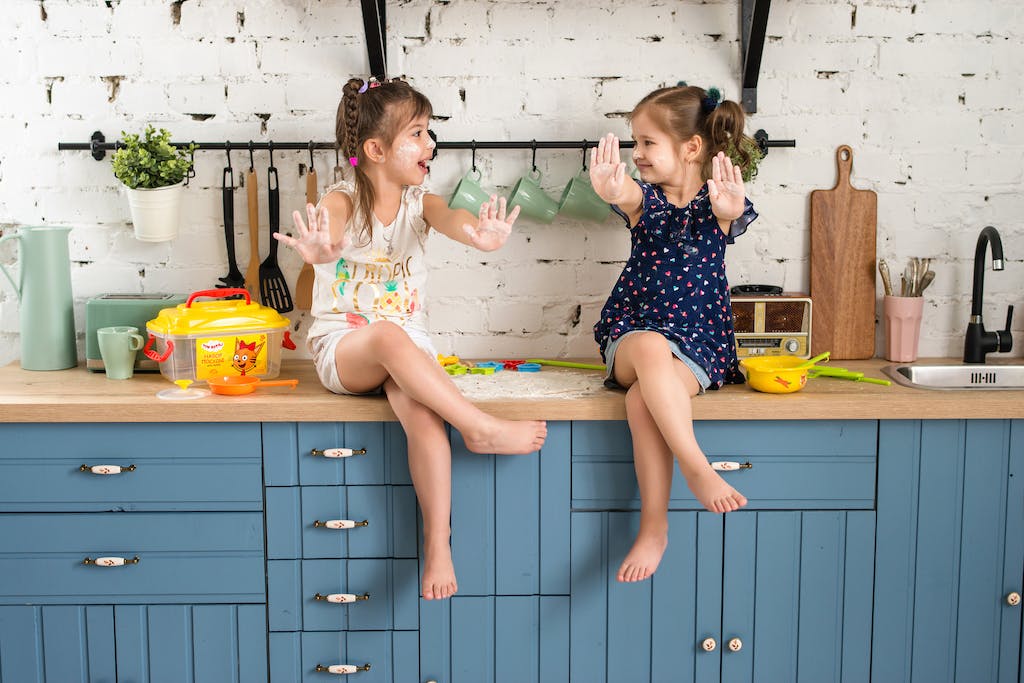
You might have noticed that a lot of homeschool families start gardens. Homeschooling families make great gardeners. Hands on learning, intentional time together, problem solving, beauty and deliciousness all come together in this ancient family effort.
If you have not started gardening with your family, I am going to encourage you to begin planning a homeschool family garden right away!
Are you planning your family summer bucket list? Here is a free and editable (and super cute) template for all your summer plans. Just fill it in and print it out!
Seven Steps to a Bountiful Homeschool Garden
February is a great time to begin planning, but a garden can really be created any time of year. These are the steps I am taking to grow a fabulous spring/summer garden.
- Make a list of what I want to plant this year.
- Planning my garden spaces
- Buying seeds
- Starting seeds at the appropriate time
- Preparing outdoor beds
- Transplanting seedlings into prepared beds
- Watching them grow!
Make a List of Vegetables, Fruits and Flowers
The first step in growing a fabulous homeschool garden is to make a list of what you want to grow this year. Think of fruits, vegetables and flowers that your family enjoys and write them down! Be ambitious!
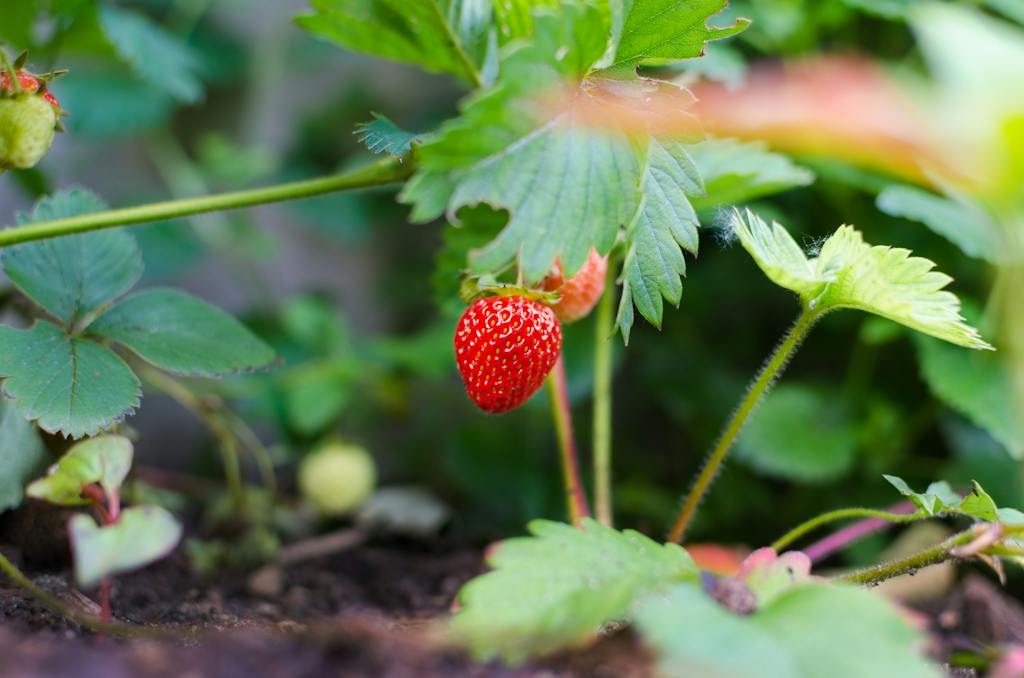
This year I would love to more salad greens like kale, lettuce and spinach, start a strawberry patch, and add elderberries to my garden. I will also grow family favorites such as tomatoes, onions, cucumbers, and peppers.

Seeds Now is our favorite seed supplier for Heirloom, GMO Free, Raw and Untreated Seeds.
Plan Homeschool Garden Spaces
There are many ways to garden. Gardens can be raised in pots, in raised beds, in the ground, and even in straw bales! There are community gardens in many places where you can rent a garden plot for a season. Almost everyone can grow something!
My family likes to grow plants directly in the ground and in raised beds. But don’t be discouraged if container gardens are right for your space. You will be surprised at the quantity a few pots can yield!
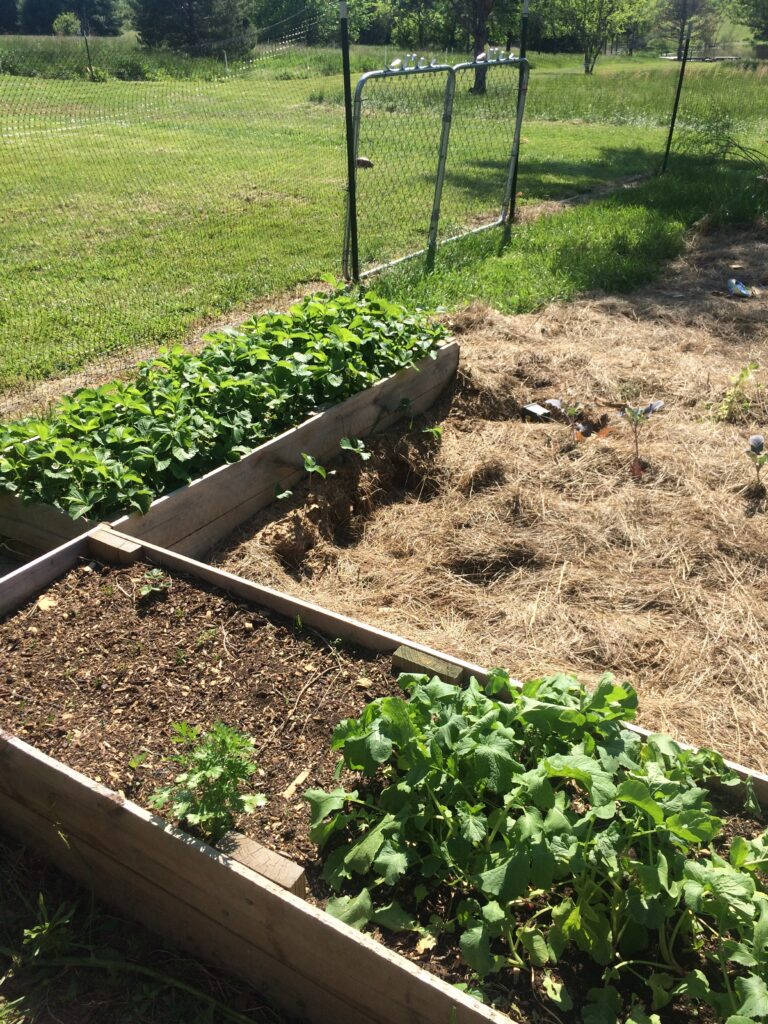
Currently, we are marking out where I want my new kitchen garden. Will it be best to only use raised beds or a combo of raised beds and ground plantings? My children and I make plans together. It’s fun to be outside together, even if we are cold. We know spring is coming!
I am glad we are starting in February, because we have a lot of decisions to make.
Buy Seeds for Direct Sowing and Starting Indoors
Starting seeds in the cold months is good for my mental health. When it is just too cold to spend a lot of time outside, planting seeds inside helps me to see past the winter and look forward to spring.
This year, we are buying seeds from a great company, Seeds Now. They sell non-GMO, heirloom, open-pollinated, raw, natural & un-treated seeds. These are all good things to help grow a healthy harvest.
They also have wonderful promotions, great variety packs and sell their seeds in moisture free packets. I really enjoy their PLANTING CALENDAR. It helps me know when to plant each vegetable, flower or fruit.
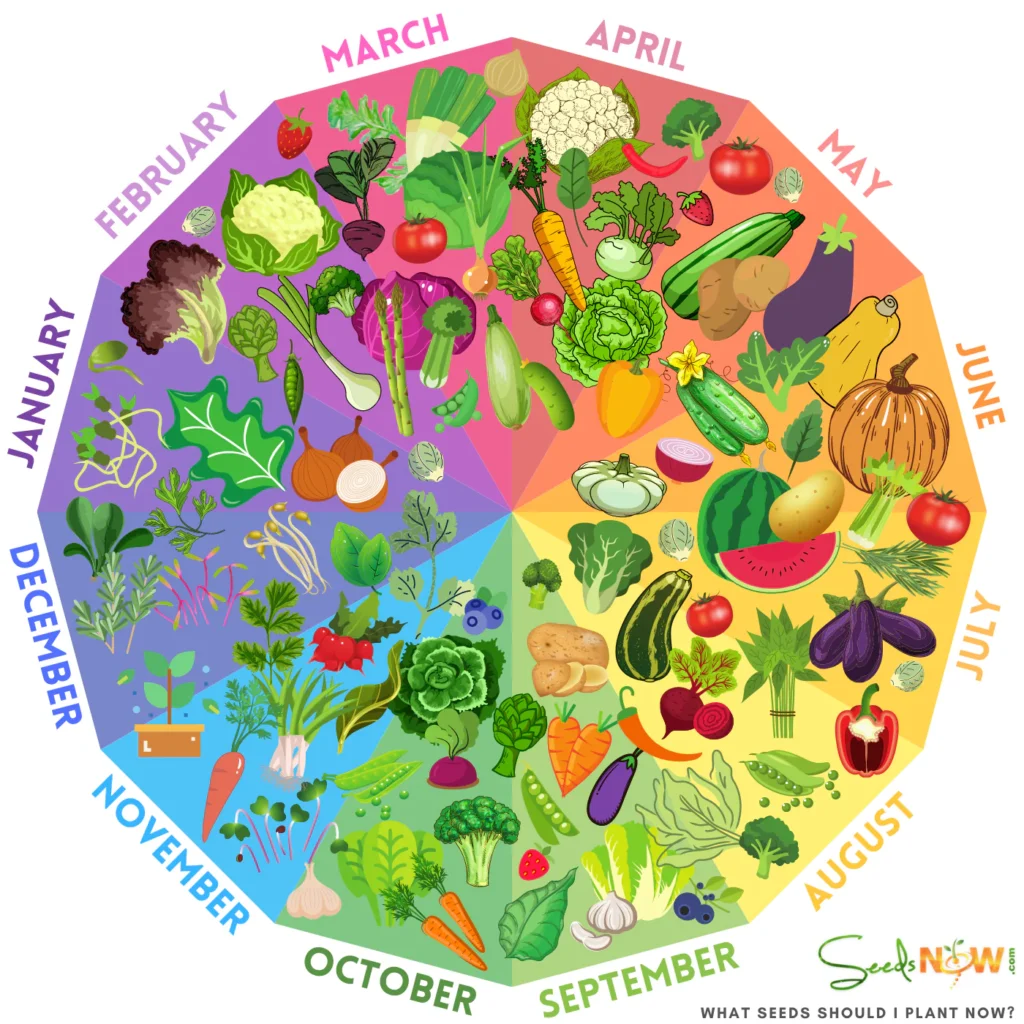
I am glad to have found a trustworthy seed company to furnish my garden!
If you would like to shop Seeds Now through the links on this page, I will receive a small commission at no additional cost to you.
We start most of our garden from seeds because I like to buy non-GMO seeds. These are harder to find at local stores. Also, some plants should be sowed directly in the ground, like carrots, potatoes, beans, radish and onions. It is also very easy to sow melons, beans, squash and greens in the ground. Since I am trying to grow a large garden to feed my large family and hope to preserve some of the harvest for winter, I buy a lot of seeds each year.
Seeds won’t spoil if you don’t end up planting a whole package each year. Store them in a closet or other inside place and you will be able to use them in future years.
Prepare Outdoor Garden Beds
After our garden spaces have been planned out, we will start building garden boxes and preparing the land that we want to plant.
Of course, all gardens need healthy soil. We prefer our planting soil to be about 2 feet deep and use a mixture of topsoil and compost. Garden soil can be purchased from any store like Home Depot or Menards or from a local garden nursery.
Start Seeds Indoors
If you are feeling ambitious and want to grow summer vegetables from seeds, you can plant them inside while the weather is still cold. These seedlings will need a very sunny window or a grow light to give them what they need. You can also wait until the ground is warm and directly plant them in the ground, but you will have a longer wait until harvest.
I like to start these plants indoors. I try to plant the seeds in mid-March so they are ready to be transplanted outdoors in May.
- Tomatoes
- Cucumbers
- Peppers- sweet and hot
- Melons
- Squash
- Culinary herbs like basil, dill, cilantro and oregano
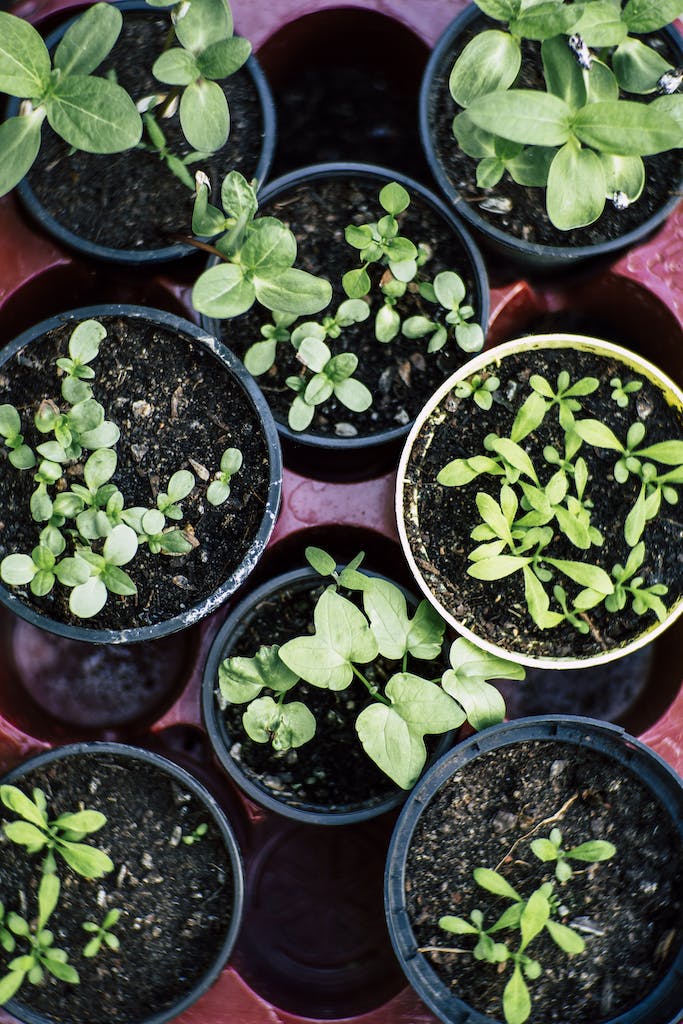
This is the grow light that I have from Amazon. I don’t have a greenhouse, but a small space in my bathroom/laundry room serves as my seed starting station.
You can also start flower seeds inside under a grow light. I start varieties of sunflowers, zinnias, and marigolds to spread around the garden.
Growing flowers alongside your vegetables attracts pollinators like bees and insects and birds, which helps everything grow better! Seeds Now has a great variety of flowers!
Plant Seeds Outdoors
Once the ground has warmed enough, and your garden beds are prepared, it is time to plant outside!
These vegetables can all be sowed directly in the garden early in the spring. Of course, I recommend you buy seeds from Seeds Now.
- Kale
- Spinach
- Lettuce
- Radish
- Carrots
- Snap peas
- Onions – sets or bulbs
- Potatoes – there are several ways to grow potatoes in a small space. Here is a great article from Rural Sprouts about growing potatoes in all types of garden areas.
Plant Transplants
Transplants are the name for your baby seedling plants. You can buy transplants at garden centers or plant the seedlings you started indoors this spring. They are planted after the danger of frost in your area.
It is easy to plant your transplants. Remove the small plants from the containers, space them out and dig small holes. Make sure you give your plants enough room to grow. Cover the roots up with soil, give a little water and……
You are on your way to a fantastic harvest!
Care for your Plants
After all of your seeds and transplants are in the ground, take the time to pull weeds, water regularly and watch for insects and other pests. These are great chores and lessons for your children.
It won’t be long until your family is making salad and salsa from your garden yields.
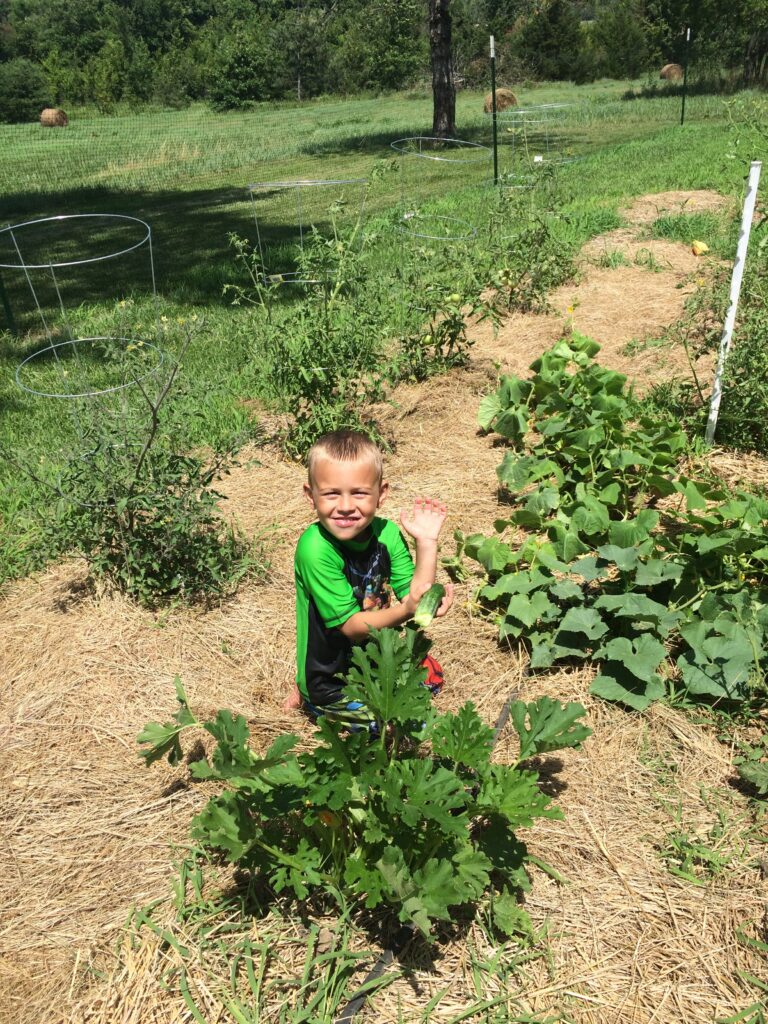
A Homeschool Family Garden is for Everyone!
Planning a family garden is a worthy endeavor for many reasons. One of my favorite benefits is the way that it clears away my winter blues!
I think that deep down, all humans have an inner desire to grow food. This is for obvious reasons; we have to eat to live. I also think we have an inherent draw towards the earth we came from and that we will one day return. There is something that speaks to our souls in that soil, long before it bears us any fruit. If you think dirt is just dirty, please reconsider. Digging and planting and weeding and cultivating might change your life.
Please comment if you have any questions about our homeschool family garden or would like to share your garden plans. It is one of my favorite hobbies and I love to chat about it!
Homeschool families start gardens, so let’s get going!
If your family enjoys homesteading hobbies, you might also enjoy this post about raising rabbits!
Raising Rabbits for Kids: A Unique Hobby
For other fun homesteading posts: